


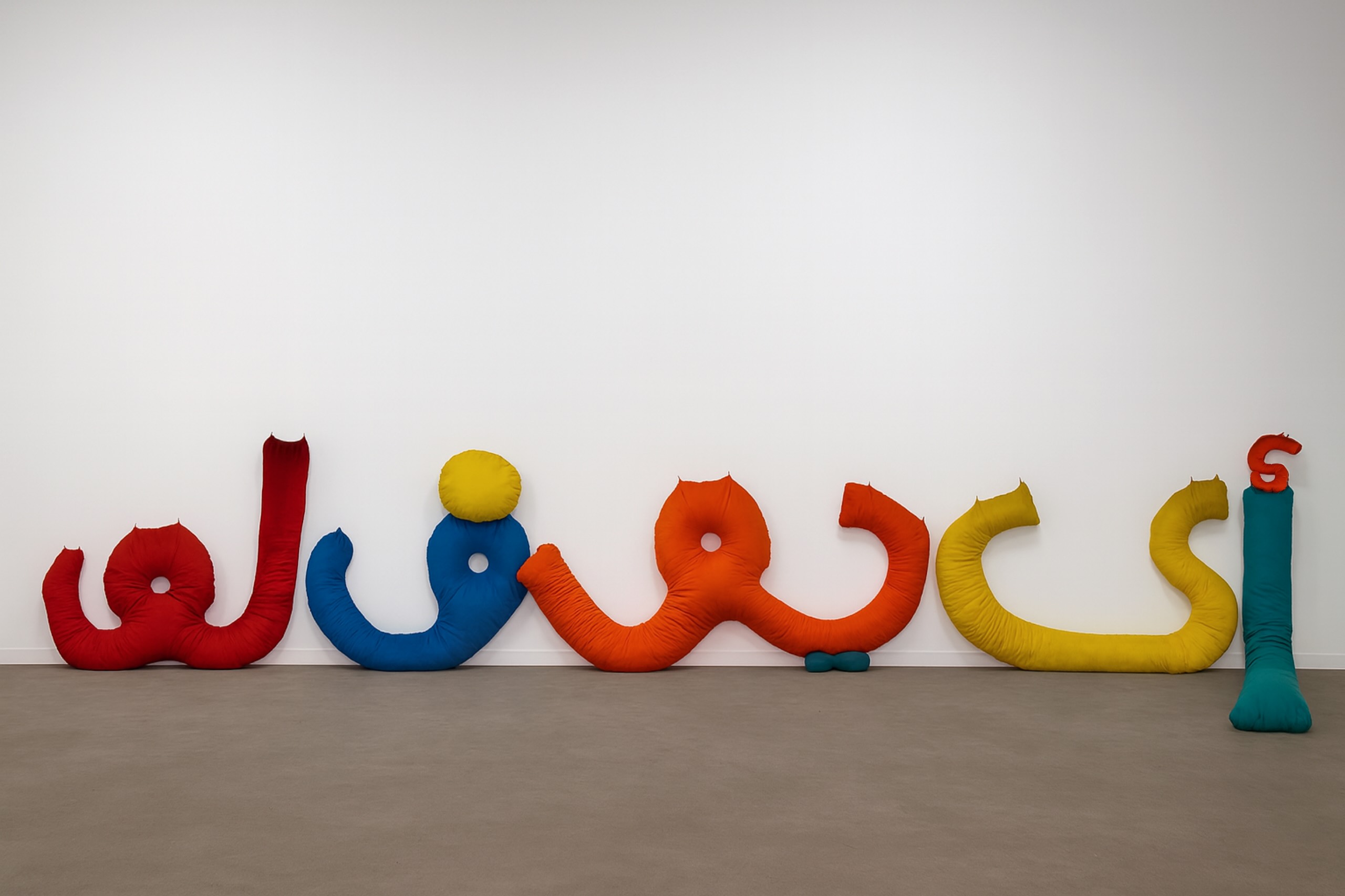
There’s always something about Hong Kong in March. The mood tilts forward—cool enough to make a blazer feel just right, electric enough to remind you the city still knows how to carry a cultural moment. And for over a decade now, Art Central has been precisely that kind of moment—an anchor on the global art calendar, and increasingly, a sharp barometer for where contemporary art in the Asia-Pacific is heading next.
Now in its 11th edition, Art Central returns to its signature location at the Central Harbourfront from 25 to 29 March. A cornerstone event of Hong Kong Art Week, the fair is more than just a showcase of emerging talent; it has become a vital platform for museum-quality work and cross-border dialogue in contemporary art.
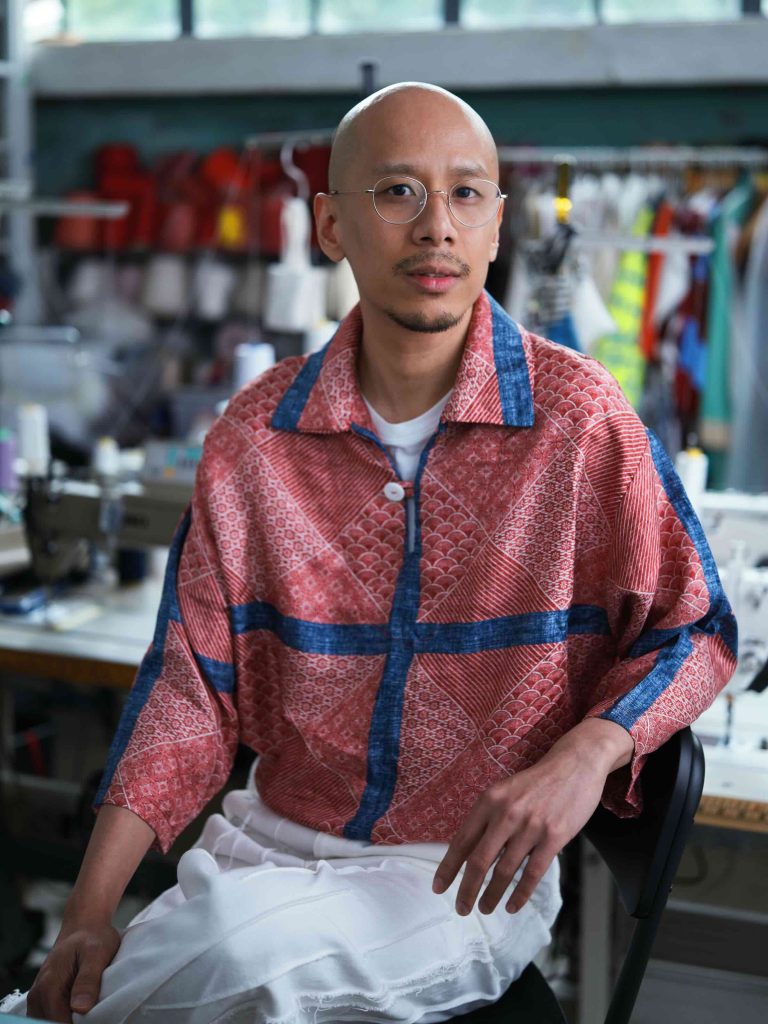
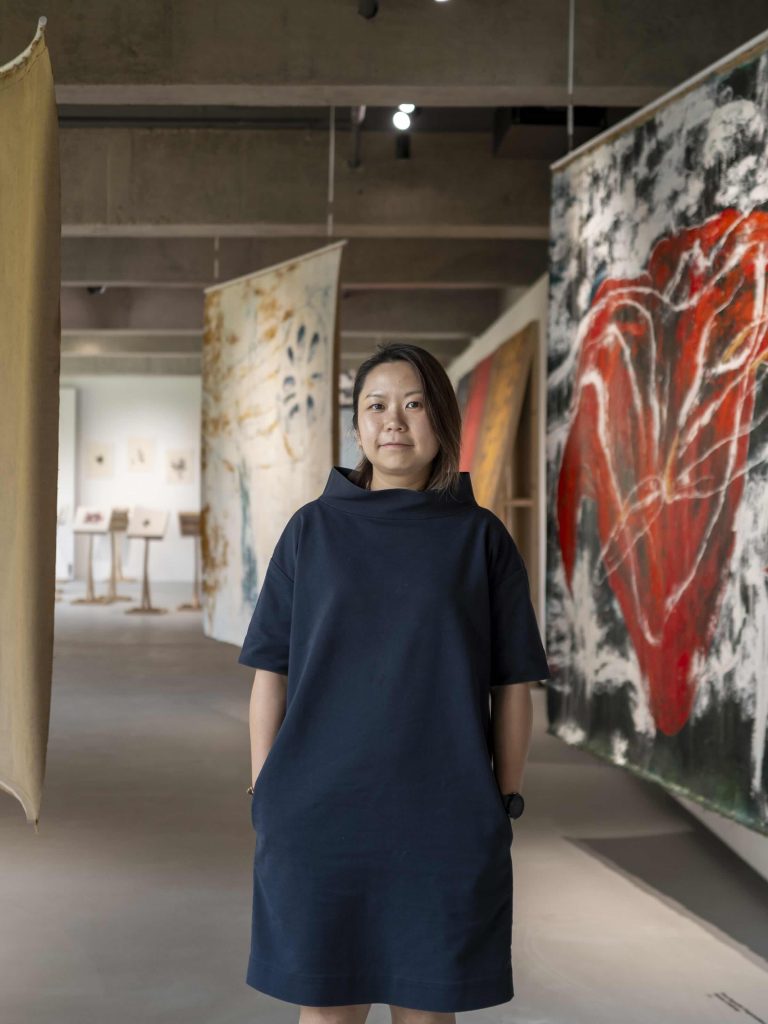
While anniversaries often tip toward nostalgia, this one looks firmly ahead. Art Central 2026 is staged with intent: visually rich, culturally attuned, and sharply edited. This year’s edition—under the direction of curators Enoch Cheng and Zoie Yung—leans away from spectacle and toward substance, bringing together works that resonate across geographies and collector tiers. With 75 percent of participating galleries coming from Asia-Pacific, the fair’s regional focus isn’t peripheral—it’s central to its identity.
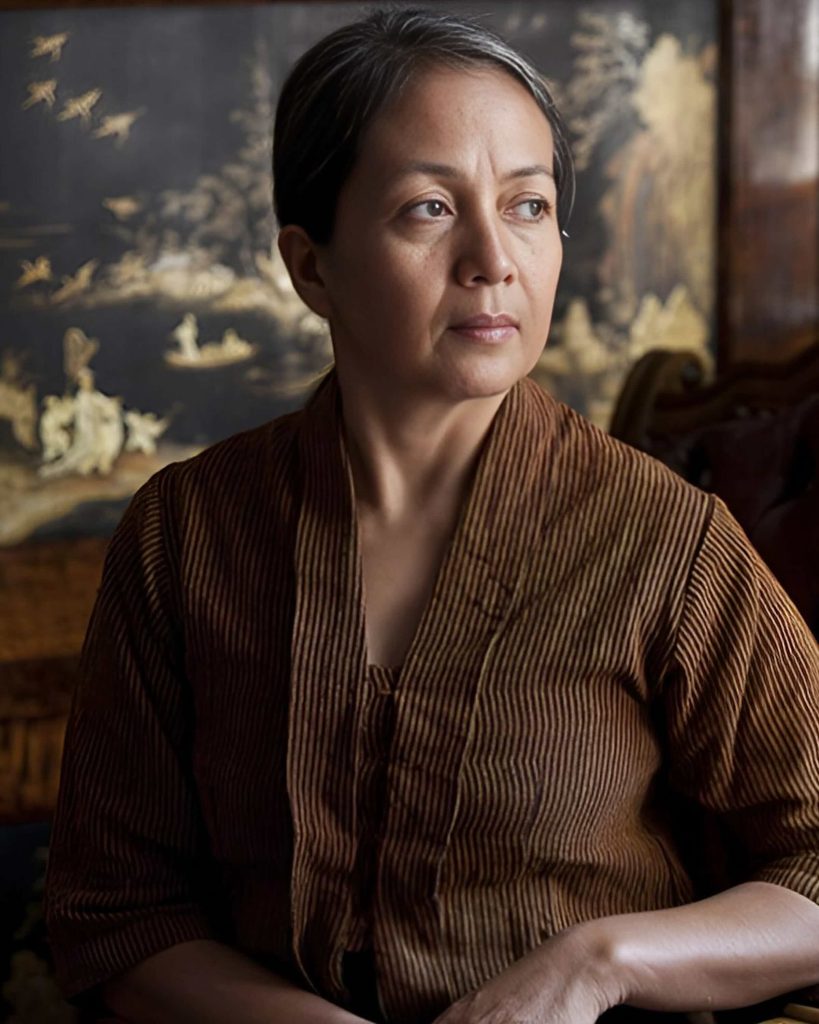
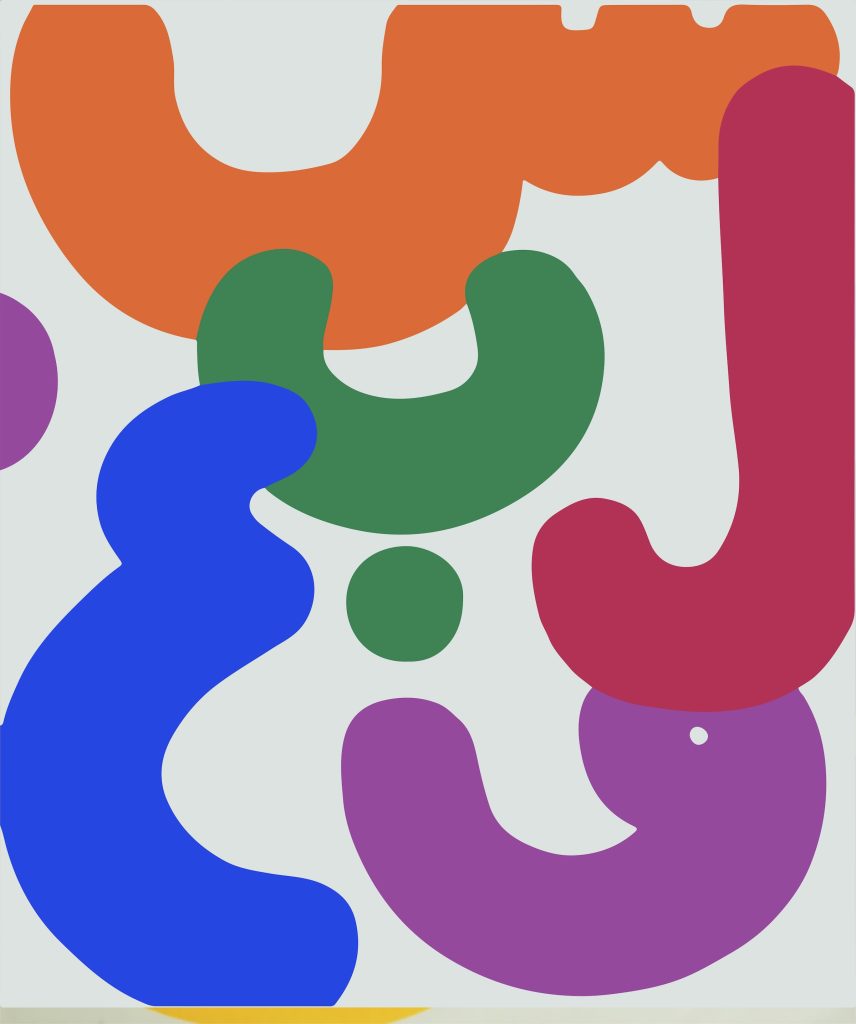
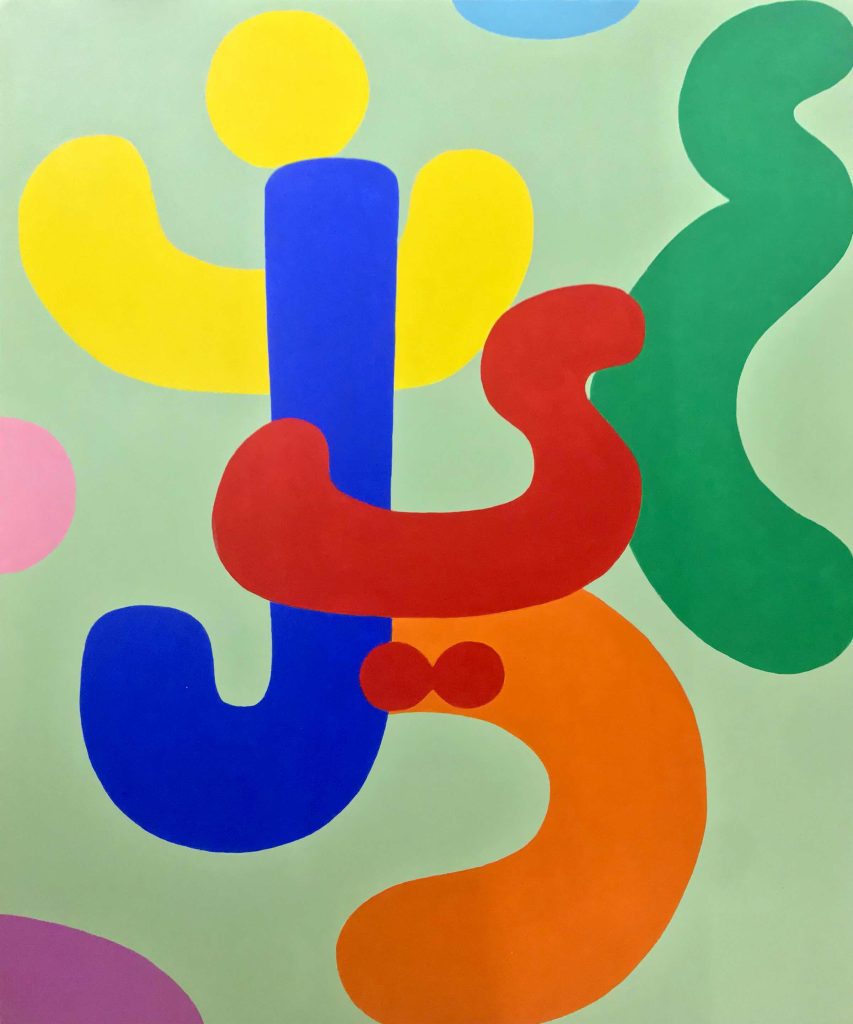
Among the standout names this year are two artists offering particularly charged presentations. First up is Arahmaiani, presented by ISA Art and Design on Central Stage, a platform spotlighting artists currently featured, recently featured, or soon to be featured in major international exhibitions, biennials, and institutional collections. Considered one of Indonesia’s most prominent contemporary artists and a pioneer in performance art in Southeast Asia, Arahmaiani, based in Yogyakarta, Java, has spent decades forging a multidisciplinary practice that is as fearless as it is fluid. Her work addresses a broad range of social, religious, and cultural issues, spanning disciplines and communities. For more than a decade, she has been deeply engaged in environmental activism on the Qinghai-Tibet Plateau, leading community-based projects—from tree planting and cleanups to performance art—all aimed at fostering ecological awareness across the region. She has exhibited at major international institutions and biennials, including the Venice Biennale in Italy, the Gwangju Biennale in South Korea, the Bienal de São Paulo in Brazil, the Asia Pacific Triennial in Australia, the UK’s Tate Modern, and documenta fifteen.
Arahmaiani’s presence on Central Stage feels especially timely. Her work often uses action and participation to spark conversation and drive change. Landmark projects such as her ongoing Flag Project (2006–present), developed with communities in Indonesia and across an international network, exemplify this approach.
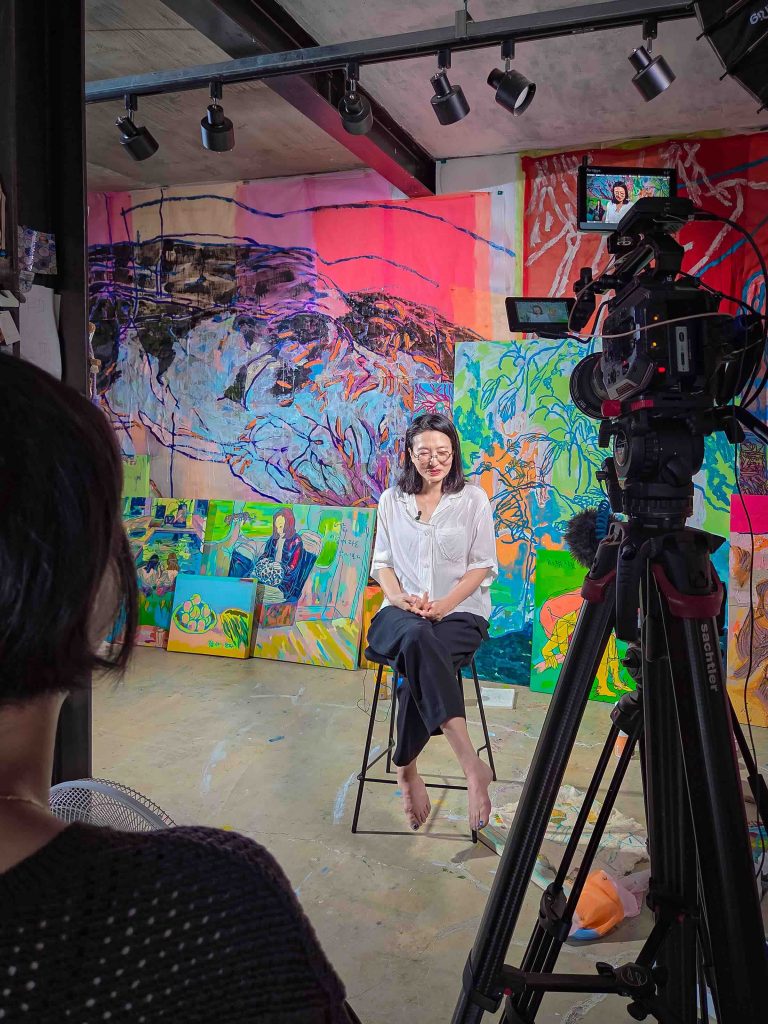
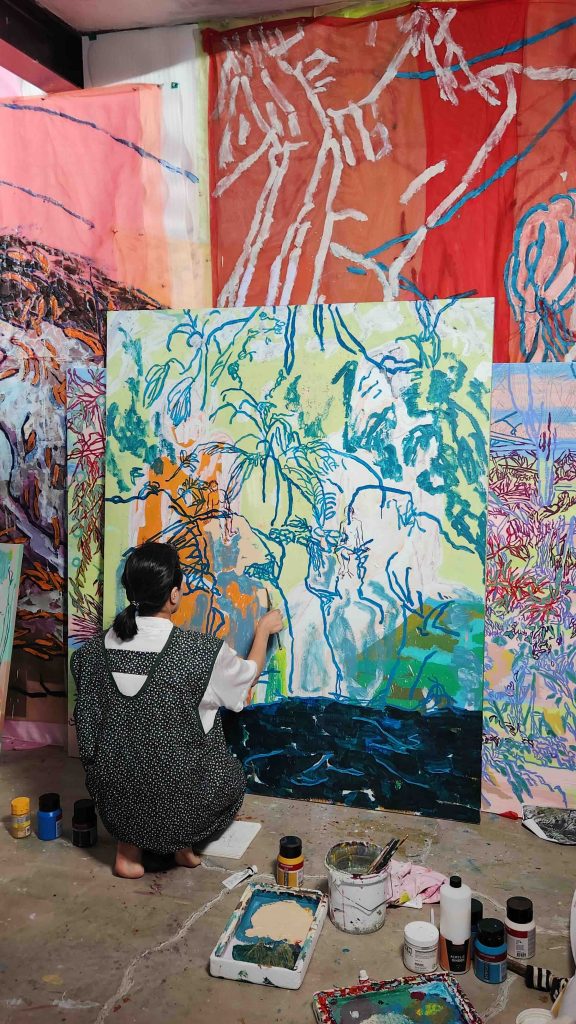
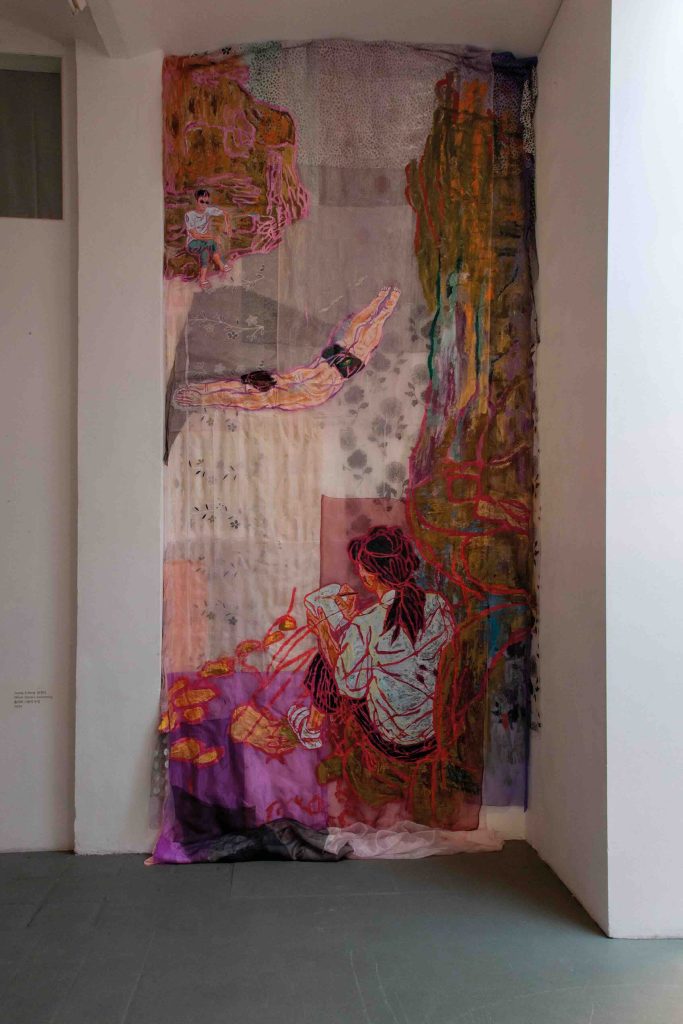
Also staged at Art Central 2026 is the layered world of South Korean artist Bang Jeong‑A, presented by Gallery MAC of Busan, within Yi Tai Sculpture and Installation Projects—a prominent space dedicated to site-specific installations and sculptural work. Bang’s practice traces the intricacies of everyday life and Korean womanhood. Her works offer intimate, nuanced portrayals that drift into socio-political terrain and cast light on social and environmental realities—all filtered through a deeply personal lens. She has exhibited at major cultural institutions and biennials, including the Gwangju Biennale, South Korea’s National Museum of Modern and Contemporary Art, and the Fukuoka Asian Art Museum in Japan.
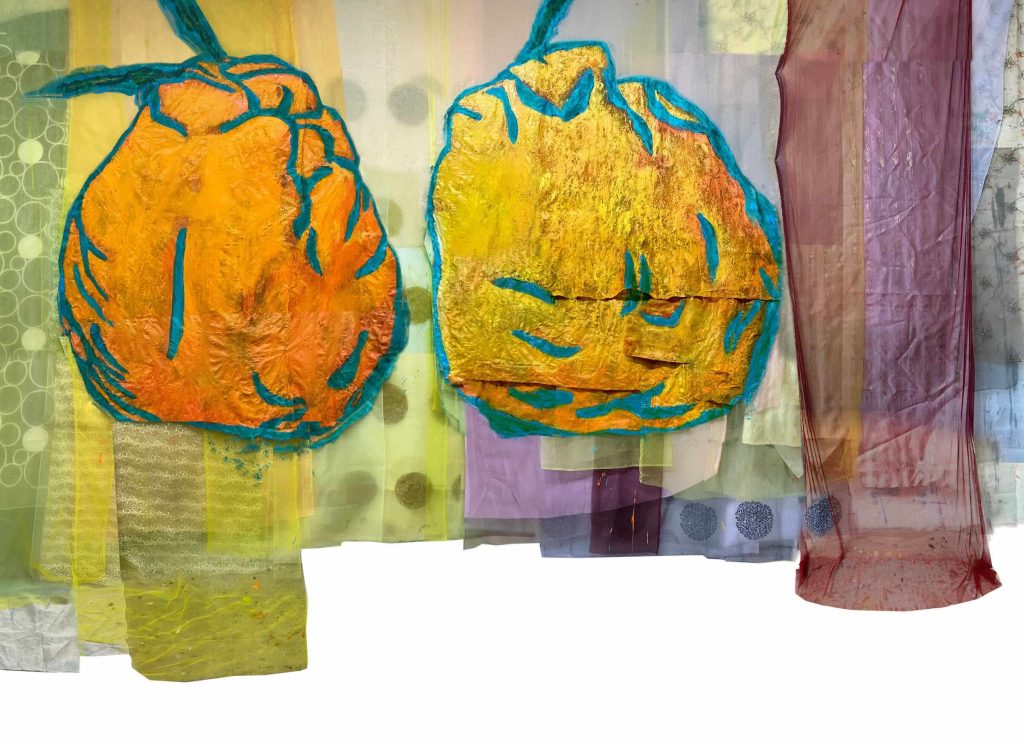
Two large-scale works by Bang, painted on translucent fabric, will be on view. The first, Oliver Stone’s Swimming (2024), takes its title—and tension—from a moment in the filmmaker’s pro-nuclear 2022 documentary Nuclear Now. In the film, Stone gestures to a cooling pool of nuclear waste and asks a plant worker, “You could swim here, right?” Bang’s take is softly surreal, turning the idea of swimming into a haunting image, capturing the thin line between progress at all costs and the uneasy optimism that often surrounds it. In The Space Between Us (2025–2026), two hallabongs—a distinctive variety of mandarin orange native to Jeju Island—face each other. The moment, while simple, suggests a delicate encounter shaped by distance and time, inviting reflection on relationships that shift, stretch, or realign after long separations. Like much of Bang’s work, it pairs an everyday image with deeper political undercurrents—hinting at histories of division, dislocation, and the toll of unresolved tensions.
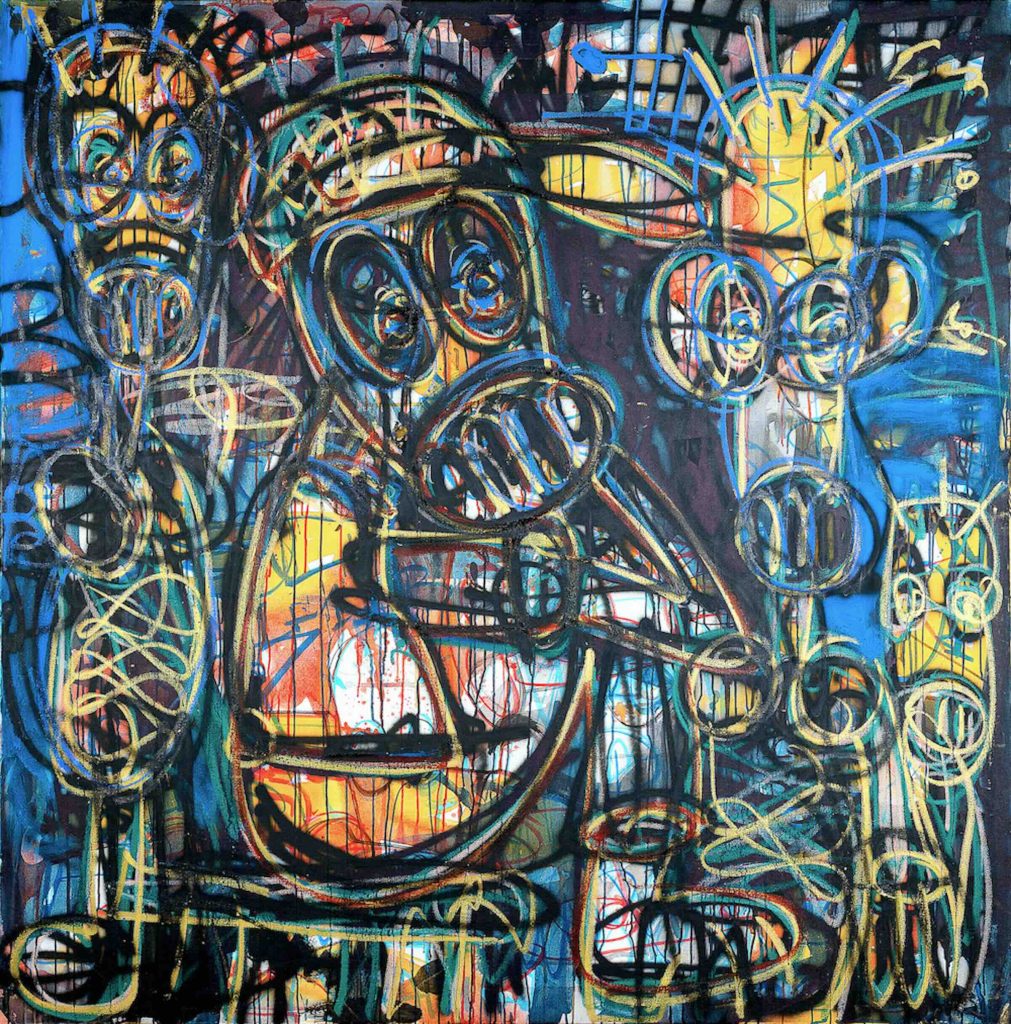
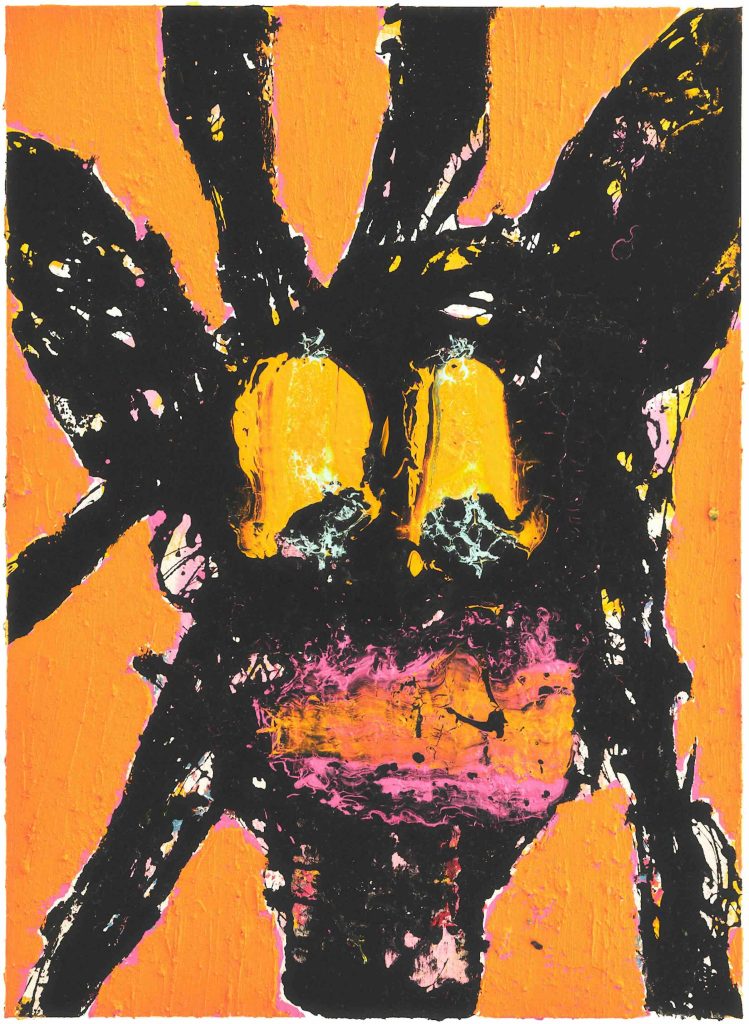
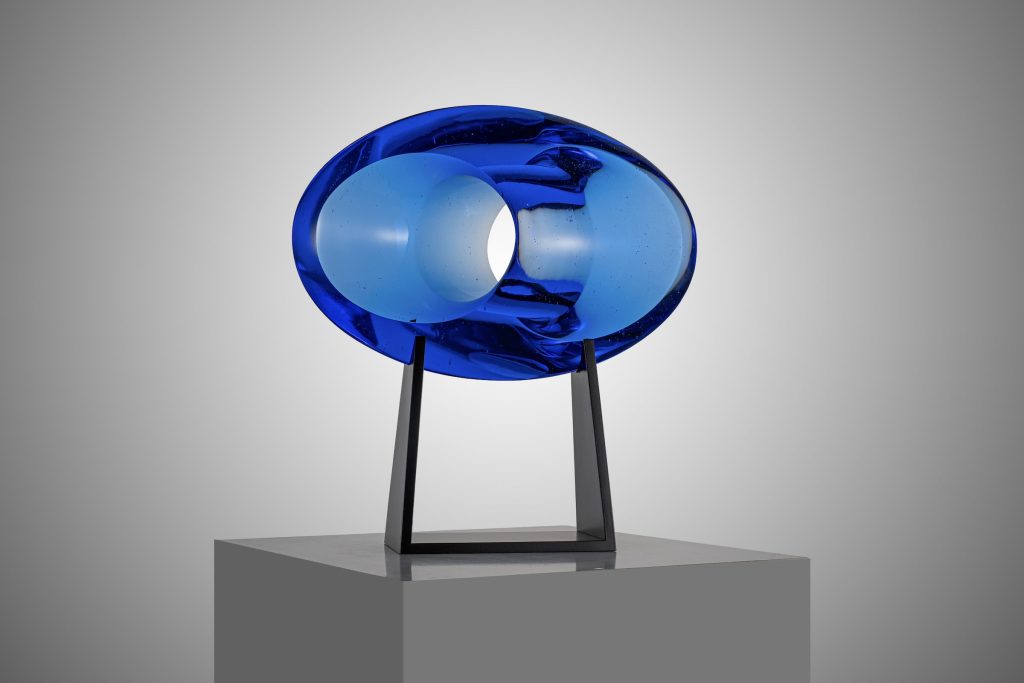
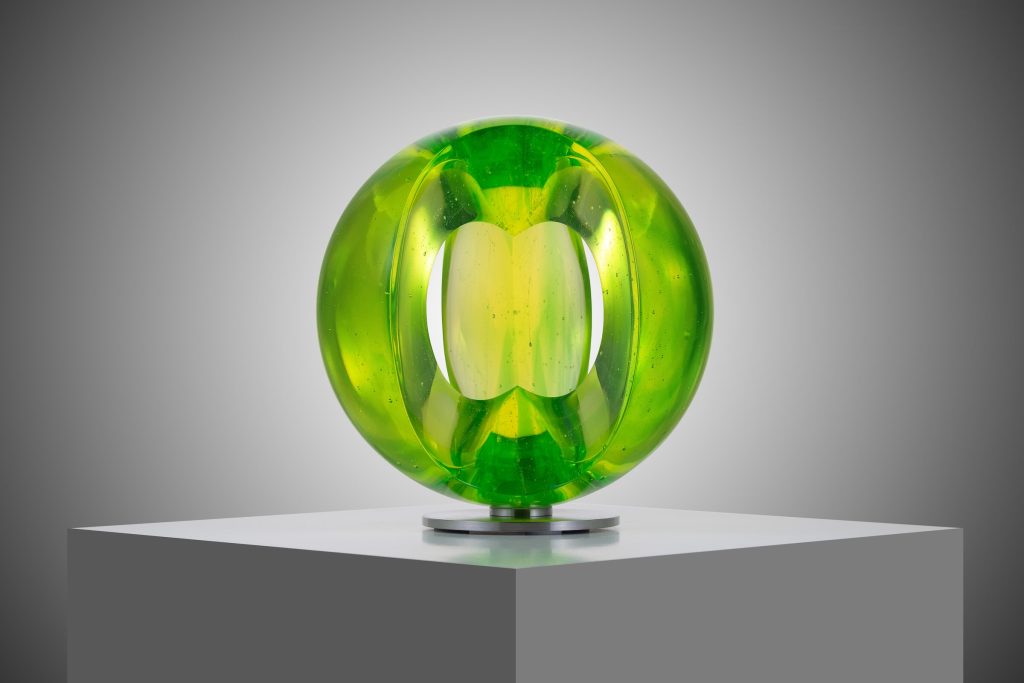
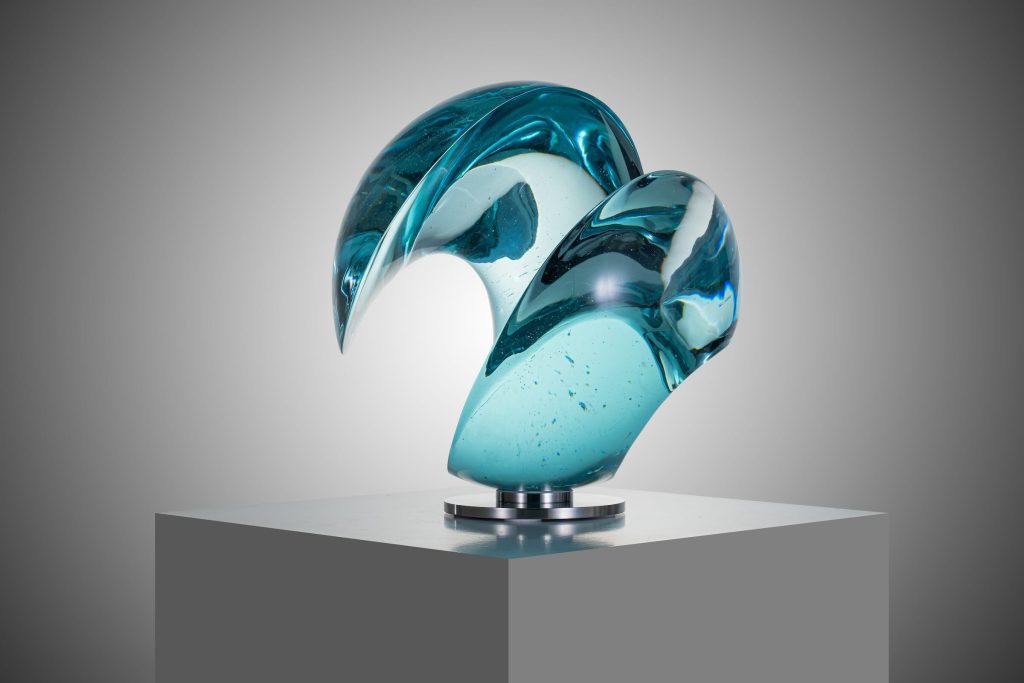
While discovery has always been part of Art Central’s DNA, the fair also underscores its strength through the inclusion of artists whose practices are gaining meaningful international traction. This year, that includes Ivorian-American Aboudia and Zambian-born, Denmark-based Jack Kabangu, presented by LIS10 Gallery—two voices whose raw, vibrant styles channel African heritage through contemporary urban expression. Also on view are the abstract yet deeply personal works of contemporary Chinese artists Jin Rilong and Ma Kelu, presented by Bounded Space, and Vlastimil Beránek, the renowned Czech contemporary glassmaker, featured in a solo presentation by Galleria Barovier&Toso ARTE.
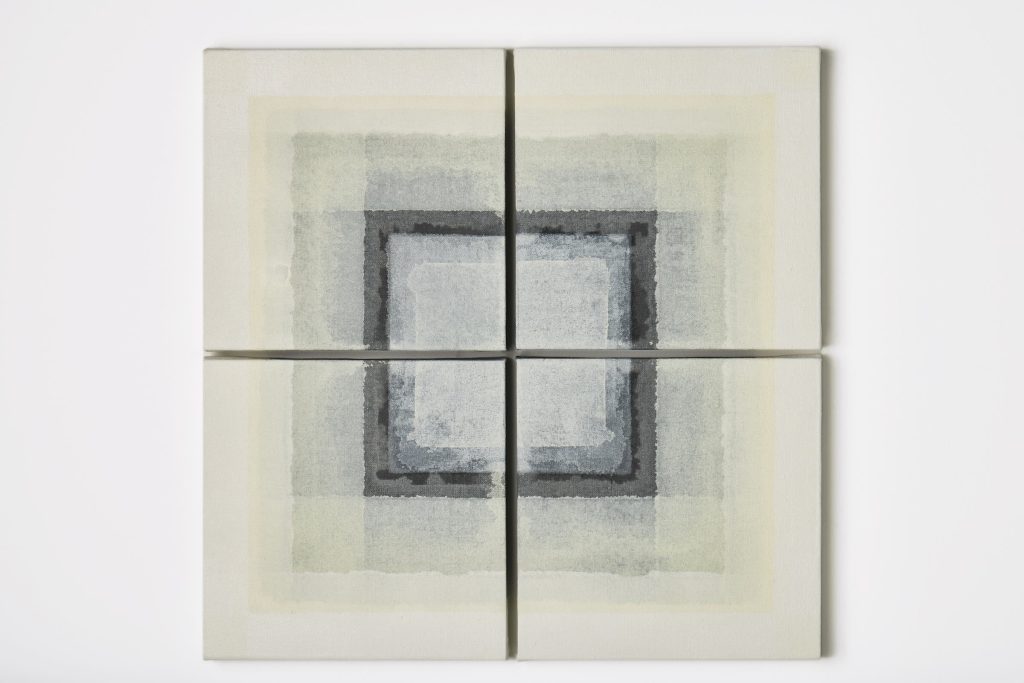
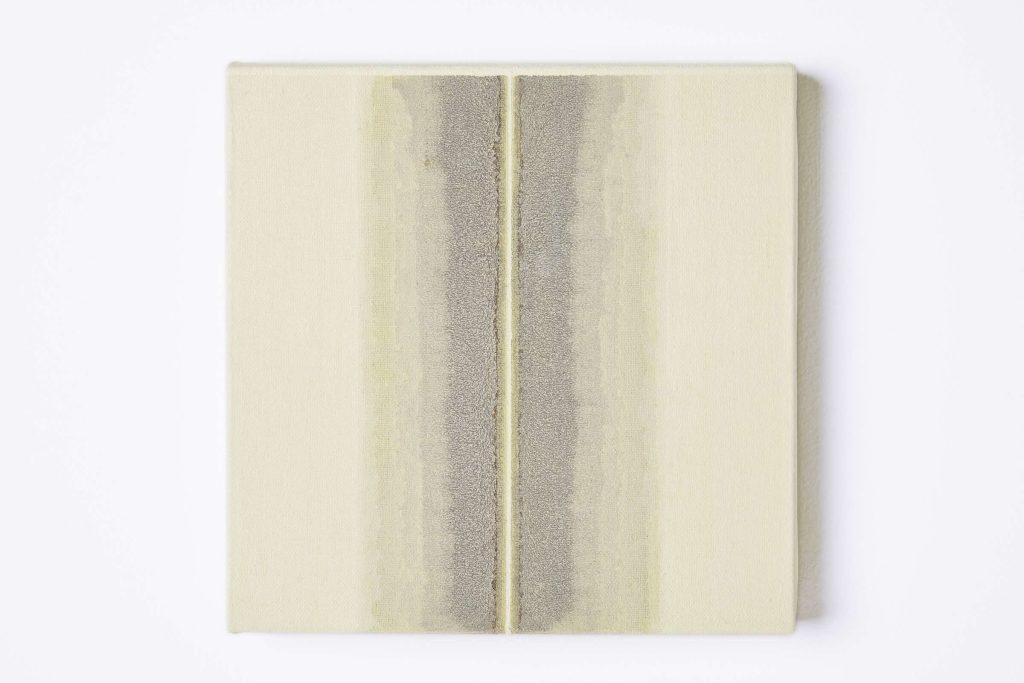
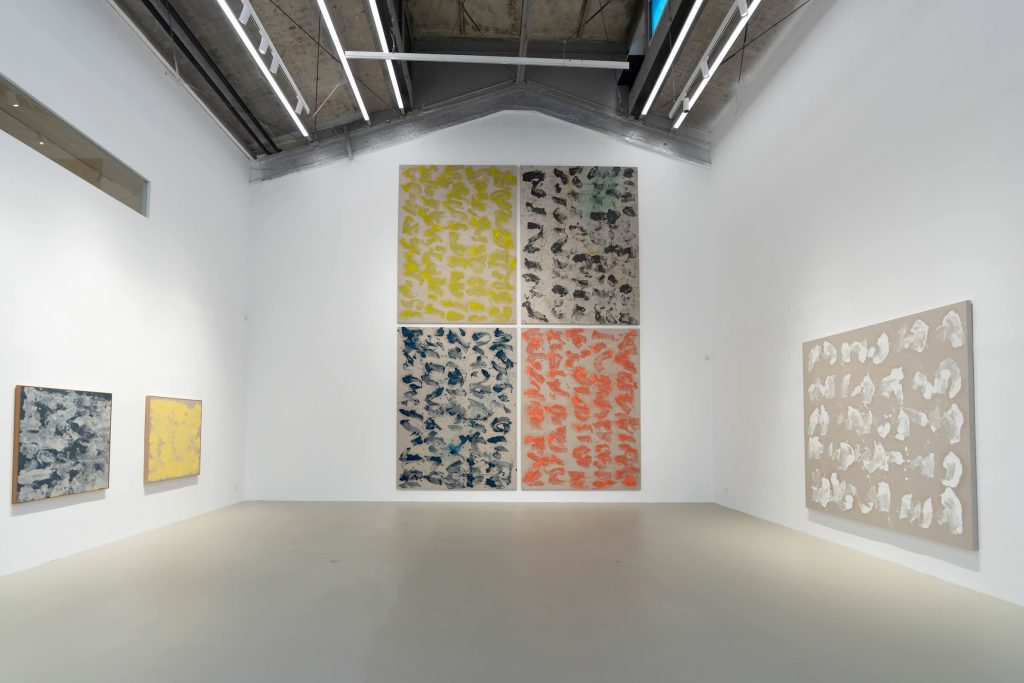
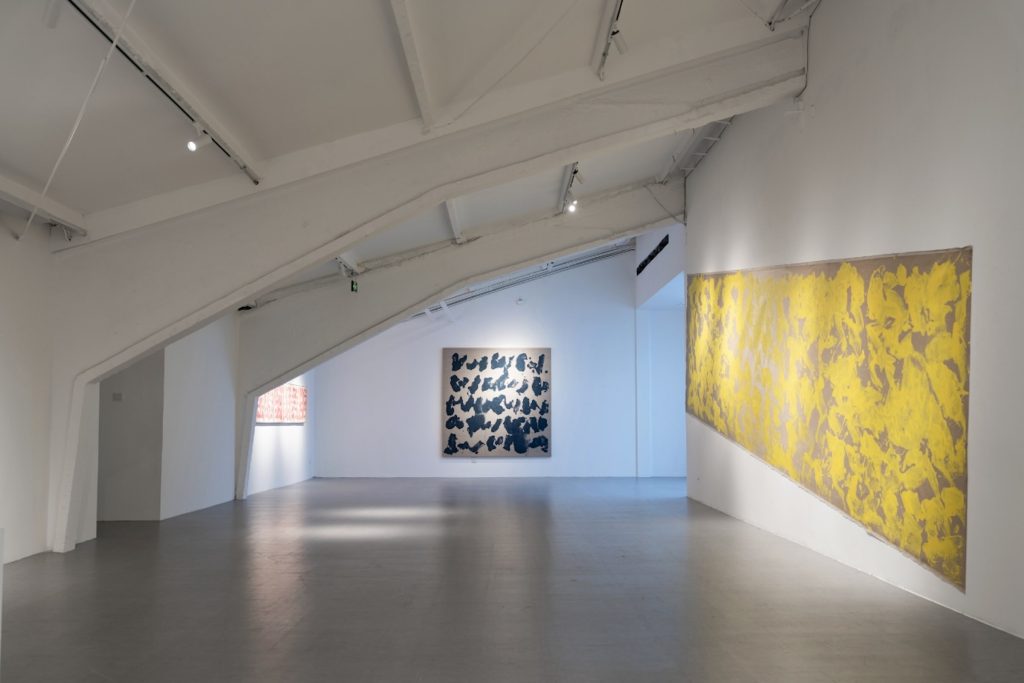
What stands out at Art Central 2026 isn’t just the work on the walls or the scale of the booths, but the level of intention behind it all. The artists here are asking real questions about where we are, how we got here, and what comes next. In a city that knows how to carry a cultural moment, the fair meets it with cool poise and doesn’t miss a beat.
Learn more about Art Central 2026 and ticketing options at artcentralhongkong.com.
All images courtesy of Art Central.